Society for the Protection of Insects Does Not Report Their Work Accurately
Society for the Protection of Insects (SPI) is a charity that was founded in 2023. We were unable to find any substantive information about SPI's work. When we clicked "Learn More" under SPI's claim that they reform pesticide use, we received an error message.
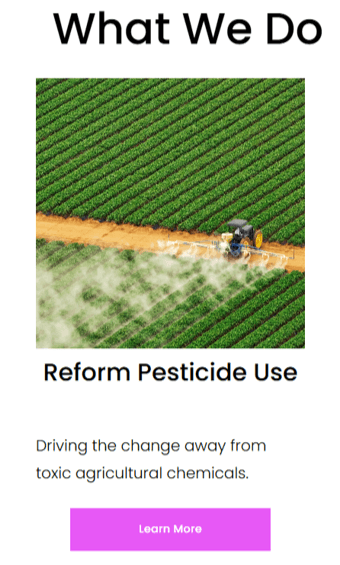
Due to this lack of information, we emailed SPI to try and learn more about their work. SPI's Executive Director (Andre Abassi) responded pretty quickly initially, but stopped responding after we asked "Would it be possible to get a bit more information about what exactly SPI does?"

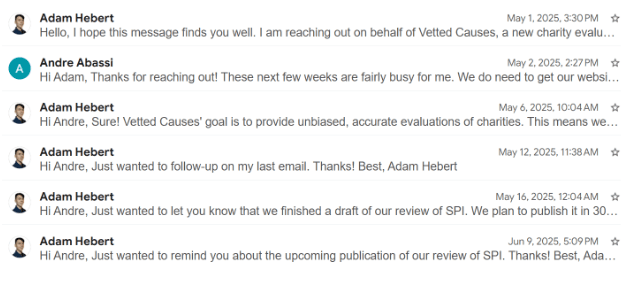
After multiple emails had been ignored, we sent SPI's Executive Director a draft of our review of SPI, and told him we planned to publish it in 30 days (this was later delayed to 37 days). When 28 days passed without a response, we located his phone number, made a $5 donation to SPI, and texted him asking about SPI's work.
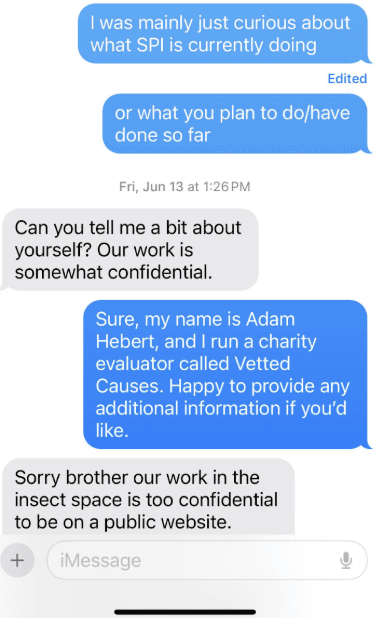
However, SPI's Executive Director responded by saying "Sorry brother our work in the insect space is too confidential to be on a public website."
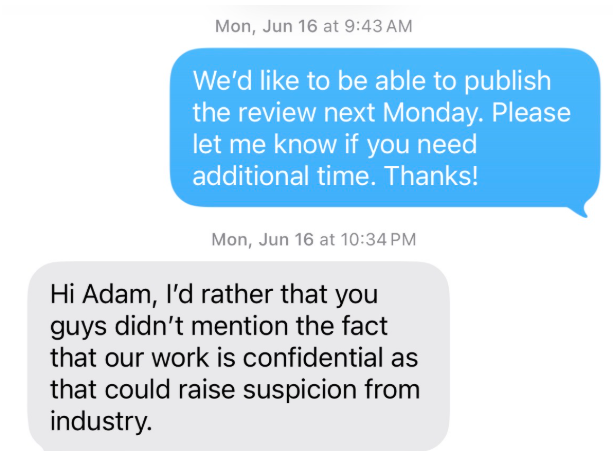
After this, we told SPI's Executive Director that we still planned to publish our review of SPI even though there was no work we could put in it (since everything was confidential).
In response, SPI's Executive Director asked us to not mention that their work is confidential since it "could raise suspicion from industry." We thought this was strange, but honored SPI's request by removing all mention of the word "confidential" from the review, and published it on June 23, 2025.
Shortly afterwards, SPI posted a rebuttal to our review. SPI's rebuttal used confidentiality as their main defense, and included much more information than SPI had been willing to share with us for the review. This included the statements:
- "Much of our current efforts involve […] litigation, which we keep confidential for operational reasons - sharing details publicly would compromise pending cases."
- "We spent $0 in our entire first fiscal year (2024-2025)"
- "happy to share information about our specific victories and interventions confidentially with interested funders who request it."
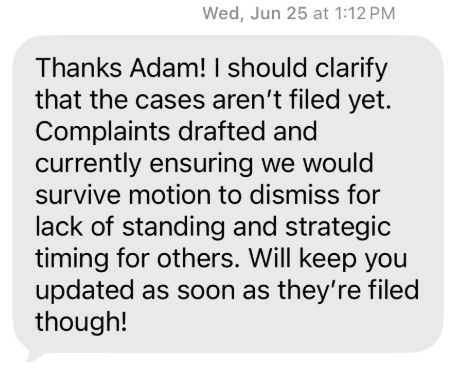
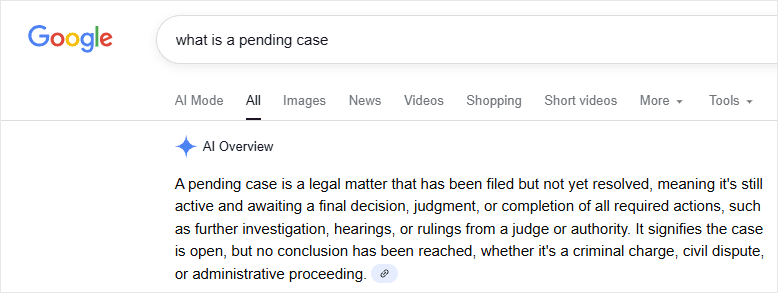
We then made a $200 donation to SPI, and texted them asking if they could tell us the docket numbers for their "pending cases." In response, SPI revealed there weren't any pending cases, and that they'd never actually done any litigation. (Note: for context, a "pending case" is defined legally and colloquially as a case that has been filed in court.)
At this point, we had several serious concerns:
- Concern 1: SPI's rebuttal said: "Much of our current efforts involve […] litigation, which we keep confidential for operational reasons - sharing details publicly would compromise pending cases." However, SPI had never actually done litigation and had no pending cases.
Concern 2: SPI had previously asked us not to mention that their work is confidential, claiming it "could raise suspicion from industry." Yet in their public rebuttal, they cited confidentiality as a key part of their defense. It is contradictory to ask a reviewer not to mention confidentiality, but then use it as a defense.
Further, SPI's original justification for asking us not to mention confidentiality (that it "could raise suspicion from industry") is incoherent: SPI spent $0 in their first fiscal year (2024–2025), had never filed a lawsuit, and had never engaged in any litigation. There is no reason to believe industry would be concerned — or suspicious — about a charity that spent $0 in their first fiscal year and accomplished virtually nothing.
- Concern 3: In January 2025, SPI's website had already said that they "Reform Pesticide Use." This is not possible to do with $0, which is what SPI had spent up to that point.
Due to these concerns, we posted an updated review noting these discrepancies.
SPI then responded to us by saying:
"We would have appreciated the opportunity to clarify our statements before VettedCauses published these serious accusations. Addressing these false claims requires us to divert limited volunteer resources away from our advocacy work. We hope that in future reviews, VettedCauses will engage in follow-up dialogue when they have concerns about an organization's statements."
This was in spite of the fact that:
- SPI always published their rebuttals without giving us "the opportunity to clarify our statements."
- When we had previously given a pre-publication draft, SPI had asked us to remove information, then used that same information as their main defense.
- When we had sent SPI a draft of our review and given them 30 days to read it before publication, SPI stalled to prevent us from publishing until 37 days after we sent the draft.
That said, we noticed SPI's responses had directly contradicted themselves, so we made a public statement about it. Shortly after this, SPI edited their original rebuttal, no longer claiming to have done litigation or have pending cases. Their new claim? That they have "potential cases." and "preparation for litigation" work.
This is similar to someone claiming they are in medical school—then later admitting they just plan to attend medical school someday.
Conclusion
SPI has given us little reason to believe that they are an effective charity. They misrepresent their work, and make claims that do not hold up under scrutiny. Accordingly, we do not recommend donating to them.
To receive updates when we publish new reviews, subscribe to our newsletter below for free.